

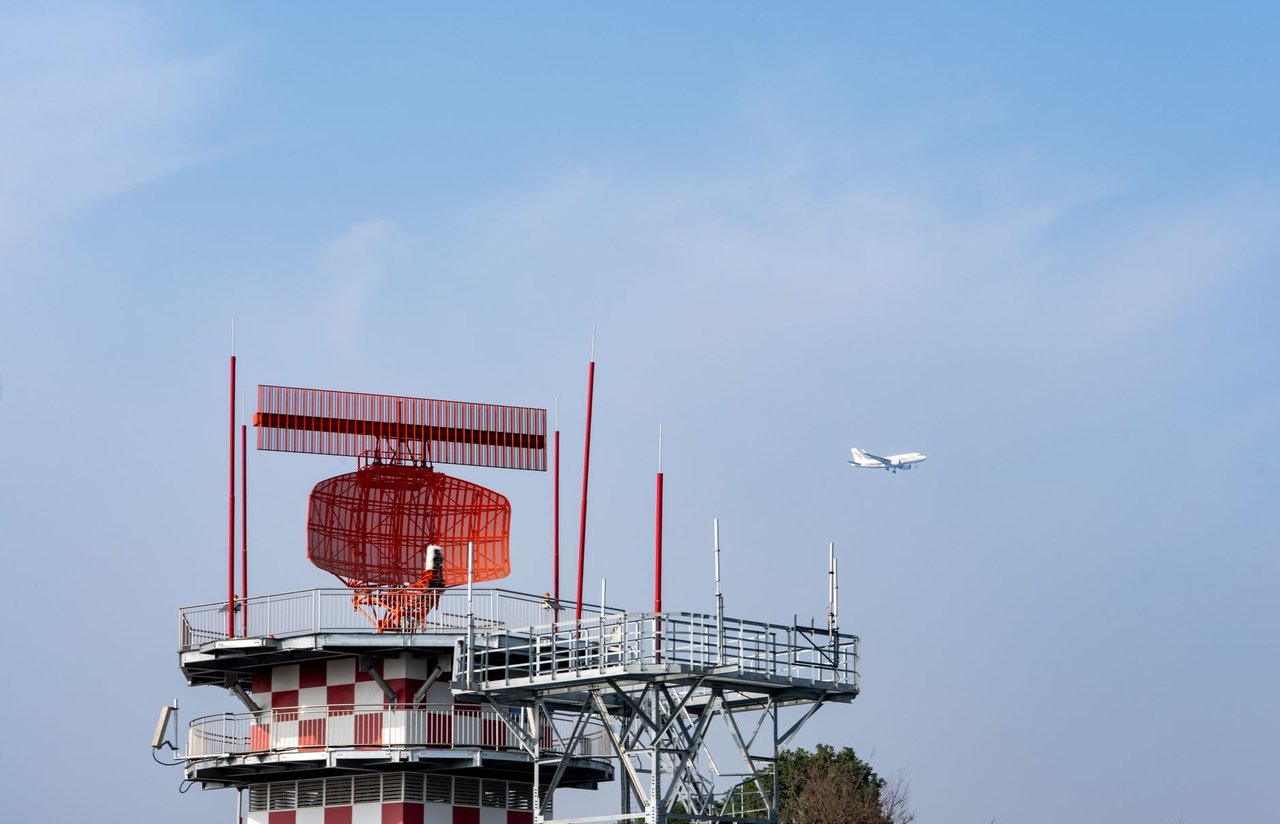
Congress is taking a cautious look at the Trump administration’s proposal to invest approximately $50 billion in the modernization of the United States air traffic system. The plan gained urgency after recent technology problems affected airport operations, exposing the risks created by aging infrastructure responsible for communications, radar and flight coordination.
According to a Associated Press report published on November 17, 2026, administration officials are seeking federal support to replace outdated equipment and improve the reliability of the national aviation network. The proposal, however, is facing questions from lawmakers over its cost, its financing structure and the government’s ability to execute a project of this scale.
The debate comes as air travel remains dependent on a complex network of technology used by airports, airlines and federal authorities. A disruption in that network can affect more than flight schedules. It can interfere with communications, radar monitoring and the movement of passengers and cargo across the country, creating consequences for businesses and communities connected to the national transportation system.
Why the administration is seeking federal investment
Trump administration officials argue that the country’s air traffic infrastructure needs a broad technological upgrade. The proposed funding would be directed toward replacing systems considered obsolete and strengthening the reliability of the equipment used to manage flights. The administration’s position is that the aviation network has strategic importance for the United States and therefore requires a significant role for the federal government.
The case for investment became stronger after a nationwide stoppage linked to a technology update overwhelmed older equipment. The incident highlighted how a change intended to improve or maintain a digital system can expose weaknesses elsewhere when it interacts with infrastructure that has not been fully modernized.
For passengers, the issue is directly connected to delays, cancellations and disruptions at airports. For airlines, failures in air traffic technology can complicate operations across multiple locations. The broader impact can also reach freight transportation and other sectors that rely on predictable movement through the country’s aviation network.
Congress questions the cost and who should pay
Members of Congress are not treating the $50 billion request as an approved allocation. The proposal remains under evaluation, and lawmakers are examining how the investment would be structured within the federal budget. One of the central disputes is whether taxpayers should cover most of the cost or whether airlines and other parts of the aviation sector should assume a larger share.
Some lawmakers believe the companies that depend directly on the air traffic system should contribute substantially to its modernization. That view places emphasis on the commercial benefits airlines receive from a more dependable national network. Administration officials, by contrast, maintain that the system is critical infrastructure and that federal participation is necessary to address its long-term needs.
The disagreement could shape both the final size of the program and the conditions attached to any future funding. It also raises questions about oversight, implementation and accountability. A project involving communications, radar and other essential technologies would require coordination across government agencies and the aviation industry.
Recent failures have raised pressure for action
The proposed modernization is being discussed against a backdrop of technology-related disruptions in the United States. A second Associated Press report, published on November 18, 2026, provided additional context on recent cyber and technology outages, including problems that affected communications, radar and transportation operations.
Those incidents have made the condition of critical digital infrastructure a public policy issue rather than a concern limited to technical specialists. When essential systems rely on older equipment, an outage or failed update can quickly become a national disruption. In aviation, the consequences can be visible to travelers almost immediately, while the operational and economic effects extend through airlines, airports and supply chains.
The congressional review will determine whether the administration’s request advances as proposed, is modified or faces further resistance. The discussion is likely to focus on the division of financial responsibility, the safeguards for implementation and the ability to demonstrate measurable improvements in the reliability of air travel infrastructure.
For now, the proposed $50 billion represents a request under consideration, not funding that Congress has already approved. Its fate will help define how Washington addresses aging technology in one of the country’s most important transportation systems.