
Hot News
Discover the Distinct Stages a Complex Negotiation Actually Goes Through
How Small Grain Lots Become Full Truckloads for Sale
Photovoltaic Solar Energy as a Vector of Sustainable Growth in Brazil, as Observed by Leonardo Manzan
Global Implications of Leadership Statements at the UN and the Challenges of International Cooperation
AI Boom in the U.S. Is Entering a New Phase: What the Market Shift Means for Workers, Consumers and Investors
Daily Pulse USA
  • Home
  • Technology
    TechnologyShow More
    Imagem aérea do Capitólio dos Estados Unidos representado sobre uma cédula de dólar.
    U.S. Treasury proposes tighter controls on technology investments in China
    November 5, 2026
    Mãos operando um controle de drone em um cenário nevado na Finlândia.
    U.S. and Finland Announce Technology and Innovation Cooperation Agreement
    November 2, 2026
    Pessoa segura um smartphone com uma calculadora na tela, diante de um gráfico financeiro digital.
    FTC examines personalized pricing practices at airlines and apps in the US
    October 29, 2026
    Tela de computador exibindo linhas coloridas de código de programação.
    Virginia launches statewide plan to address AI-linked cyberattack risks
    October 28, 2026
    Técnico opera equipamentos eletrônicos de teste e medição em um laboratório.
    NIST backs White House push to speed strategic technology development
    October 21, 2026
  • Politics
    PoliticsShow More
    Vista frontal do Capitólio dos Estados Unidos, em Washington, sob céu azul
    GAO urges State Department to improve congressional notices on democracy aid
    November 16, 2026
    Agente uniformizado de patrulha de fronteira dos Estados Unidos durante uma operação de fiscalização.
    ICE reports historic rise in U.S. immigration arrests and deportations
    November 13, 2026
    Vista aérea de uma paisagem rochosa e árida do Parque Nacional de Canyonlands, nos Estados Unidos.
    Trump administration advances plan to transfer parts of US public lands
    November 12, 2026
    Vista frontal do Capitólio dos Estados Unidos, em Washington, sob céu azul.
    U.S. Senate Moves Forward With Bill to Speed Energy and Infrastructure Permits
    November 10, 2026
    Casa Branca cercada por gramado, com uma bandeira dos Estados Unidos hasteada em frente ao edifício.
    White House extends religious freedom commission and ALS treatment program
    November 4, 2026
  • News
    NewsShow More
    Elmar Varjão
    How Does Contingency Planning Separate a Predictable Construction Project from One Driven by Improvisation?
    November 12, 2026
    Aeronave de combate a incêndios despeja água sobre uma área florestal em chamas.
    Trump exempts federal wildfire suppression from Clean Water Act permits ahead of 2027 season
    November 11, 2026
    Yuri Silva Portela
    Yuri Silva Portela Compares the Healthcare Journey of Elderly Patients in Rural Areas and Major Urban Centers
    November 9, 2026
    Materiais metálicos, incluindo aço e alumínio, armazenados em um galpão industrial.
    U.S. reactivates production of specialized alloy for nuclear weapons components
    November 9, 2026
    Edifício do Departamento do Tesouro dos Estados Unidos iluminado ao entardecer em Washington, D.C.
    U.S. Treasury projects $1.4 trillion in borrowing through March 2027
    November 6, 2026
  • About Us
Reading: Trump to sign executive order banning transgender service members
Share
Daily Pulse USADaily Pulse USA
Font ResizerAa
  • Home
Search
  • Home
  • Technology
  • Politics
  • News

Home » Trump to sign executive order banning transgender service members

Politics

Trump to sign executive order banning transgender service members

Sofia Valmont
Sofia Valmont
January 27, 2025
Share

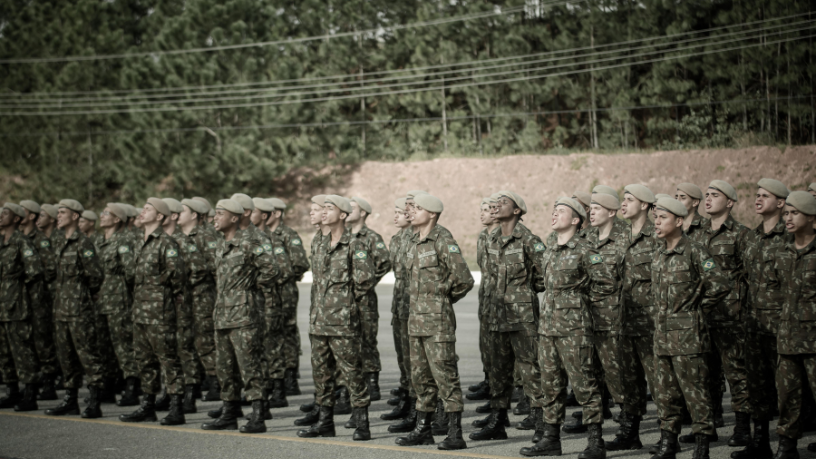
Former US President Donald Trump continues to be a central figure in debates about politics and civil rights, especially in the context of military policy. The potential signing of an executive order banning transgender service members from the US military has become one of the most controversial issues of his administration. Such an order, if signed, would represent a significant setback in the progress made by members of the transgender community in the US military. This article explores the implications of such a move and the effects it may have on transgender inclusion and rights in the US military.

Trump’s proposed signing of an executive order banning transgender service members from the military aligns with one of his campaign promises, which involved reversing policies implemented by his predecessor, Barack Obama. President Obama had taken a progressive stance on transgender people by allowing them to serve in the military. This change was seen as a victory for inclusion, but it also created political divisions in the country. Trump’s possible signing of the executive order could be seen as a response to these tensions, reaffirming the support of his conservative constituency, which has often opposed inclusive policies in the military.

A decision by Trump to sign an executive order banning transgender service members, if it actually happens, could have significant repercussions on the behavior of the military. The move could discourage many transgender citizens who dream of serving their country, which would affect not only their inclusion but also the recruitment of new military personnel. The transition between Obama and Trump policies has already caused uncertainty within the military, with transgender service members fearing for the stability of their rights and the recognition of their gender identity.

While Trump’s proposal has generated much controversy, many supporters of the exclusionary policy argue that allowing transgender people to serve in the military could harm troop cohesion and morale. For these opponents, health issues related to gender transition would be a burden on the military. However, most studies indicate that transgender individuals can serve as effectively as any other soldier, with the only difference being that issues related to medical and psychological support are handled on an individual basis, as is the case for other soldiers.

In contrast, the transgender community, as well as several human rights groups, consider the signing of the executive order to be a violation of civil rights. The central argument of these groups is that excluding transgender individuals from the military is a form of discrimination based on gender identity, and that this policy contributes to the marginalization of an already vulnerable group. Furthermore, research shows that many of those who serve or have served in the military are highly qualified, and their gender identity does not interfere with their ability to perform their duties effectively.

Trump’s decision to sign an executive order banning transgender members from the military could also have political repercussions, especially during an election year. The move could mobilize the conservative base, but at the same time alienate progressive and moderate voters who advocate for a more inclusive society. The political divide surrounding the issue has been increasingly visible, and the signing of the executive order could deepen this polarization, with heated debates about the rights of transgender people and the limits of government intervention in military policies.

In addition to the political and social impacts, Trump’s potential measure also raises questions about the rights of transgender service members who are already serving in the military. How would the Army deal with the situation of these individuals, who have already gone through a recruitment and training process? Some experts believe that the policy could generate a “pull-out effect,” directly affecting the lives of many service members who have dedicated themselves to service and who may now lose their ranks due to their gender identity. This would generate an internal crisis within the military, in addition to possible lawsuits for discrimination.

In short, Trump’s proposal to sign an executive order banning transgender service members from the Army is not only a matter of domestic politics, but also of human rights and equality. The debate over transgender inclusion in the military is multifaceted, involving issues of gender identity, public policy, and the needs and demands of service members.

Signing such an executive order would not only represent a setback for the transgender community’s achievements, but could also set a dangerous precedent for other forms of institutionalized discrimination.


Share This Article
Facebook Email Copy Link Print
Previous Article Trump Effect: Brazilian Entrepreneurs Migrate to the US
Next Article Trump Suggests Clearing Gaza and Transferring Palestinians to Jordan and Egypt: The Impact of the Proposal on the International Political Scenario

News

U.S. Naval Deployment Near Venezuelan Coast : Context and Consequences
Politics
Christian Zini Amorim
The Impact of the Dissolution of a Company: Legal Consequences and What Can Be Done to Protect Assets
News
Taiza Tosatt Eleoterio
How Can You Support a Woman Who Is Trying to Leave an Abusive Relationship? Taiza Tosatt Eleoterio Offers Guidance
News
Francisco Gonçalves Peres
Want to Start a Business? Discover the Importance of an Entrepreneurial Mindset and How to Develop It
News
Daily Pulse USA

Diverse voices, one pulse. Daily Pulse USA offers a comprehensive view of the American landscape, featuring stories from a variety of perspectives and communities.

Vista frontal do Capitólio dos Estados Unidos, em Washington, sob céu azul
GAO urges State Department to improve congressional notices on democracy aid
November 16, 2026
Agente uniformizado de patrulha de fronteira dos Estados Unidos durante uma operação de fiscalização.
ICE reports historic rise in U.S. immigration arrests and deportations
November 13, 2026
Daily pulse USA - [email protected]
Welcome Back!

Sign in to your account

Username or Email Address
Password

Lost your password?