
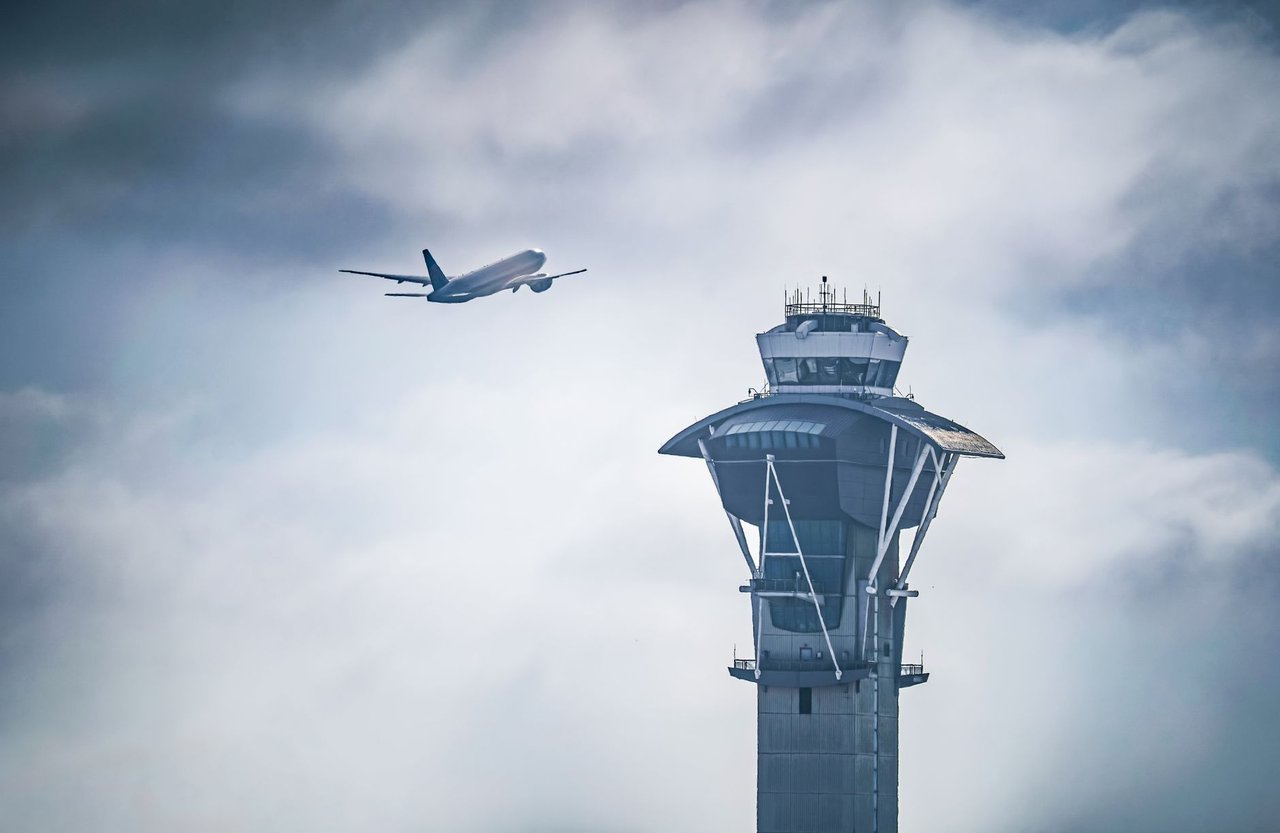
Members of the U.S. Congress are questioning the Trump administration’s request to direct up to $50 billion toward modernizing the country’s air travel and air traffic management system. The proposal comes after recent episodes of instability at U.S. airports, renewing debate over the condition of federal aviation infrastructure and the cost of bringing it up to date.
According to The Associated Press, senators have shown resistance to the idea that federal resources should finance the modernization on the proposed scale. The discussion centers on how the system should be upgraded, who should pay for the work and how quickly the changes should be carried out.
Congress questions the proposed funding model
The administration’s position is that federal funding would help accelerate the replacement of older systems and expand the capacity used to manage air traffic across the United States. The request places the federal government at the center of a modernization effort involving technology, infrastructure and the daily operation of the national aviation network.
Senators, however, are examining whether airlines and other parts of the transportation sector should assume at least part of the cost. The disagreement is not limited to the total value of the request. It also involves the broader responsibility for maintaining and improving a system that serves passengers, airports, carriers and the government at the same time.
The debate gives Congress a direct role in determining the structure of the investment. Lawmakers must assess whether the proposed federal contribution is justified, how the money would be used and whether the aviation industry should participate more directly in financing the improvements. The questions add a political dimension to a technological problem that has affected the reliability of air travel.
Outdated infrastructure has economic consequences
The condition of the national aviation system has consequences beyond the operation of control and management networks. When interruptions lead to canceled flights, delays or temporary stoppages, airlines face additional costs and lose revenue. Passengers and airports are also affected by disruptions that can spread through the air travel system.
The Associated Press reported that the effects of the recent crisis reached major U.S. carriers, including American Airlines, Delta Air Lines, United Airlines and Southwest Airlines. For these companies, interruptions create pressure on financial results at the same time that the industry is being asked to consider whether it should help pay for a long-term modernization effort.
That connection is central to the congressional discussion. Federal officials argue that public investment could speed up the replacement of outdated technology and strengthen the country’s aviation capacity. Senators are weighing that argument against the possibility that airlines and the transportation sector should share the financial burden because they are directly affected by the system’s performance.
What is at stake for travelers and the aviation industry
For travelers, the dispute concerns the reliability of a system that supports flights throughout the United States. A modernization plan would address the technological foundation used to manage air traffic, while the funding debate could determine how quickly the work moves forward and how its cost is distributed.
For airlines, the decision could have two immediate dimensions. Companies may benefit from a more stable and capable aviation network, but they could also face additional financial obligations if Congress decides that the sector should contribute to the modernization. The result would affect the relationship between the federal government and carriers at a time when disruptions are already producing operational and financial effects.
The proposal also raises questions about the role of public spending in essential national infrastructure. Support for federal financing is tied to the need to update a system whose problems can affect the broader economy and the movement of people across the country. Opposition or caution in Congress reflects concerns about the size of the request and whether taxpayers should carry the full cost.
The Associated Press published its report on November 17, 2026, as lawmakers continued to examine the request. The congressional debate is expected to shape the future funding model for the modernization of the U.S. aviation system and determine how responsibility is divided among the federal government, airlines and the wider transportation sector.