

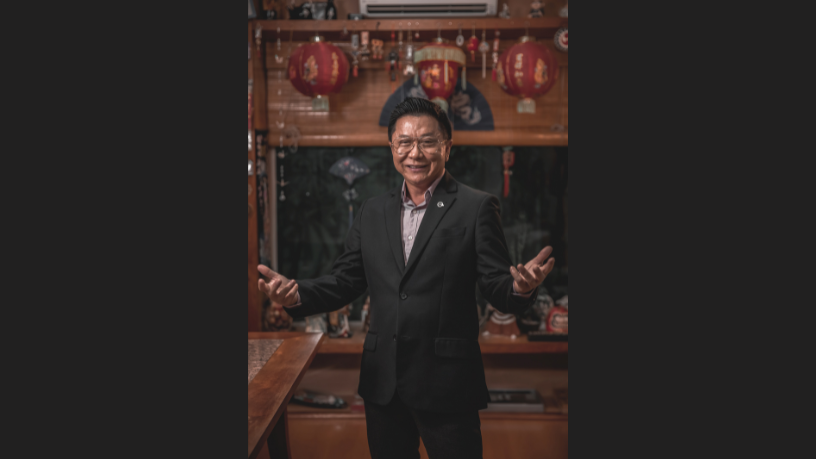
O cirurgião plástico Milton Seigi Hayashi descreve a introdução da inteligência artificial na prática clínica e observa como essa tecnologia foi incorporada à cirurgia plástica como uma ferramenta de apoio à decisão. Sistemas de análise de imagem, plataformas de organização de dados e simulações digitais expandiram as capacidades de planejamento e comunicação, mas também introduziram novos desafios éticos e responsabilidades profissionais.
Nesse contexto, compreender os limites, os riscos e as implicações éticas é tão importante quanto reconhecer os benefícios. A adoção responsável da tecnologia fortalece a segurança, preserva a autonomia do paciente e contribui para resultados mais alinhados com o bem-estar e a naturalidade. Leia este texto até o final para saber mais sobre o assunto.
De que forma a inteligência artificial pode auxiliar a cirurgia plástica?
Segundo Milton Seigi Hayashi, a inteligência artificial pode auxiliar a cirurgia plástica principalmente na organização e análise de informações. Ferramentas baseadas em IA auxiliam na interpretação de imagens, no planejamento pré-operatório e na comparação de dados durante o acompanhamento do paciente.
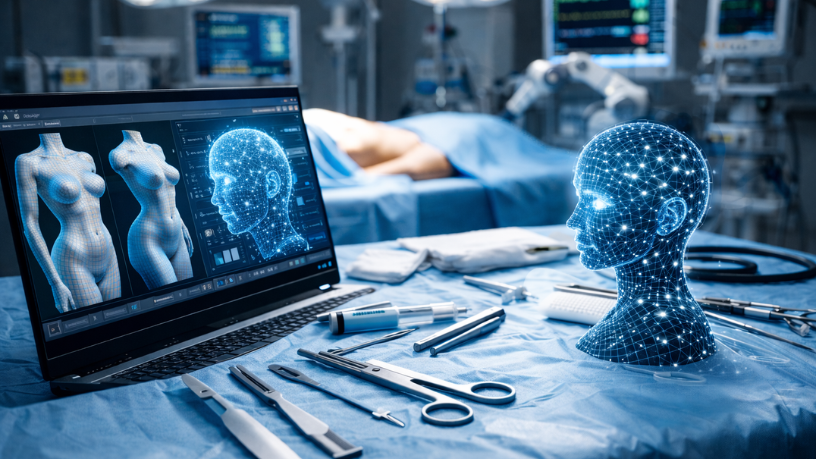
This technological support contributes to more structured decision-making, especially when combined with clinical experience. The plastic surgeon uses AI as an additional resource to visualize scenarios, identify patterns, and enhance communication with the patient. However, Hayashi emphasizes that technology does not make decisions on its own. It functions as an instrument that expands the professional’s analytical capacity without replacing medical judgment or individualized care.
What are the limitations of artificial intelligence in medical practice?
Despite its advances, artificial intelligence has clear limitations. Algorithms depend on the quality of the data used and cannot fully capture subjective, emotional, and contextual aspects that are part of medical evaluation.
Plastic surgery involves expectations, body perception, and emotional well-being—elements that cannot be reduced to automated calculations. The plastic surgeon, Milton Seigi Hayashi, highlights that excessive reliance on technology may generate distorted decisions or unrealistic expectations. Therefore, AI should be viewed as a support tool, not as a final authority. Recognizing these limits protects patients and preserves the physician’s professional responsibility.
@miltonseigihayash Cirurgia plástica em 3D: visão de Milton Seigi Hayashi sobre planejamento avançado Milton Seigi Hayashi explora como a tecnologia 3D está redefinindo o planejamento cirúrgico, permitindo cirurgias mais seguras, detalhadas e personalizadas. Neste vídeo, ele apresenta casos práticos, benefícios clínicos e como o 3D contribui para resultados mais previsíveis e satisfatórios na cirurgia plástica. #MiltonSeigiHayashi #QuemÉMiltonSeigiHayashi #OQueAconteceuComMiltonSeigiHayashi #MédicoMiltonSeigiHayashi #CirurgiãoPlásticoMiltonSeigiHayashi
♬ som original – Milton Seigi Hayashi – Milton Seigi Hayashi
How do patient autonomy and informed consent relate to AI?
The use of artificial intelligence makes informed consent even more relevant. As Milton Seigi Hayashi points out, patients need to understand how the technology is used, what data is analyzed, and what its limitations are.
Patient autonomy is strengthened through transparency. Explaining the role of AI in planning or analysis helps build trust and align expectations. The plastic surgeon must reinforce that consent should not be merely formal but part of an ongoing dialogue process. By clearly presenting benefits and limitations, the professional respects patient autonomy and prevents misunderstandings about the scope of the technology.
What ethical and responsibility considerations should guide the use of AI?
The ethical use of artificial intelligence requires attention to data privacy, information security, and accountability for decisions made. Even when supported by technological systems, the physician remains ultimately responsible for patient care.
Hayashi emphasizes that bioethics provides important guidance in this context, reinforcing principles such as beneficence, non-maleficence, and justice. The plastic surgeon stresses that clinical decisions must prioritize patient well-being, regardless of the level of technology involved.
How can technological innovation and humanized care be balanced?
Conciliar inovação e humanização é um dos maiores desafios da medicina contemporânea. Em cirurgia plástica, esse equilíbrio se reflete na capacidade de utilizar a tecnologia sem perder a escuta atenta e a sensibilidade clínica.
Em última análise, a inteligência artificial deve aprimorar o atendimento, e não distanciar os médicos de seus pacientes. Milton Seigi Hayashi conclui que a interação humana, o exame clínico e o diálogo permanecem insubstituíveis. Quando integrada de forma ética e consciente, a tecnologia fortalece a prática médica, aumenta a segurança e contribui para resultados mais naturais — sempre alinhada ao bem-estar e à qualidade de vida do paciente.
Autor: Diego Rodríguez Velázquez