

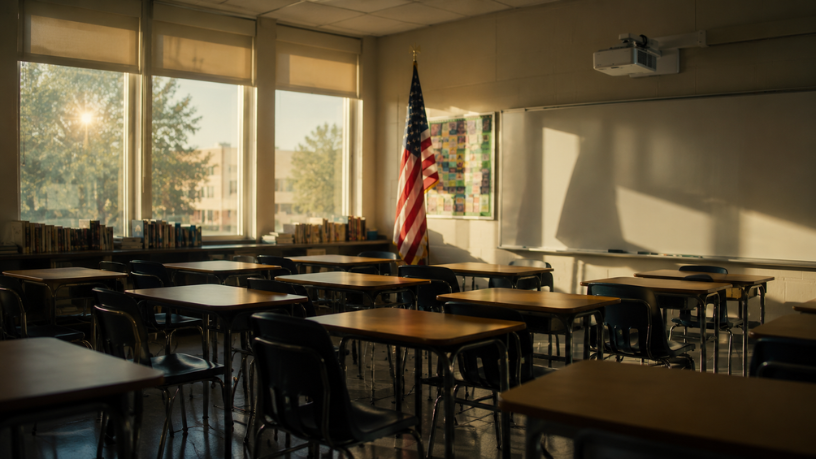
Political polarization has become one of the defining challenges of modern democracies. Across communities, workplaces, social networks, and even families, ideological divisions are increasingly shaping how people interact with one another. In this environment, schools are emerging as a critical space for addressing these tensions and helping future generations develop the skills necessary for constructive civic engagement. This article explores how educational institutions can contribute to reducing political polarization, why civic dialogue matters, and what practical approaches can strengthen democratic culture in the years ahead.
The growing divide between opposing political viewpoints is often viewed as a problem that belongs exclusively to governments, media organizations, or political leaders. However, the roots of polarization frequently begin much earlier. Young people are exposed to social media algorithms, fragmented information ecosystems, and increasingly partisan public debates from an early age. As a result, many students enter adulthood without developing the tools needed to engage respectfully with differing perspectives.
Schools occupy a unique position because they bring together students from diverse backgrounds, beliefs, and life experiences. Unlike digital platforms that often reinforce existing opinions, educational environments have the potential to foster meaningful interaction among individuals who may think differently. This role has become increasingly important as societies seek ways to rebuild trust and social cohesion.
One of the most effective ways schools can address political polarization is by strengthening civic education. Civic learning should go beyond teaching governmental structures or historical facts. It should encourage critical thinking, media literacy, evidence-based reasoning, and an understanding of democratic principles. Students who learn how institutions function and why democratic norms matter are often better equipped to evaluate political information objectively.
At the same time, schools must create opportunities for respectful discussion. Many educational systems have become hesitant to address controversial topics out of concern for conflict. While this caution is understandable, avoiding difficult conversations may ultimately leave students less prepared for the realities of civic life. Structured discussions can teach young people how to listen actively, challenge ideas without attacking individuals, and recognize the complexity of social issues.
The ability to disagree constructively is increasingly valuable in modern society. Political polarization often intensifies when individuals view those with opposing opinions as adversaries rather than fellow citizens. Schools can help counter this dynamic by emphasizing shared values such as respect, responsibility, and community engagement. When students learn that disagreement does not require hostility, they become better prepared to participate in democratic processes.
Another important factor is media literacy. The digital age has transformed how information is consumed, creating both opportunities and challenges. Students are constantly exposed to content designed to attract attention, provoke emotional reactions, and encourage engagement. Without the ability to evaluate sources critically, misinformation and ideological narratives can spread rapidly.
Educational institutions that prioritize media literacy help students distinguish between opinion and fact, recognize bias, and assess the credibility of information. These skills are no longer optional. They are essential for navigating a world where political content is available instantly and often lacks meaningful context.
Teachers also play a central role in reducing polarization. Effective educators do not tell students what to think. Instead, they create environments where students learn how to think independently. This distinction is crucial. Schools should promote intellectual curiosity and open inquiry rather than ideological conformity. When students feel comfortable expressing their views while remaining open to alternative perspectives, classroom discussions become opportunities for growth rather than conflict.
Community involvement can further strengthen these efforts. Partnerships between schools, families, and local organizations create a broader culture of dialogue and civic responsibility. Students benefit when the values of respectful engagement are reinforced beyond the classroom. In many cases, community-based projects that encourage collaboration across different groups can help reduce stereotypes and build stronger social connections.
The challenge of political polarization is unlikely to disappear quickly. It is deeply connected to technological change, cultural shifts, and evolving political landscapes. Nevertheless, education remains one of the most powerful long-term solutions available. While schools cannot eliminate ideological differences, they can help ensure those differences are managed in productive and democratic ways.
Looking ahead, the success of democratic societies may depend not on eliminating disagreement but on improving how people handle it. Schools that prioritize civic education, critical thinking, media literacy, and respectful dialogue are investing in a generation capable of navigating complexity without resorting to division. In a world increasingly defined by political tension, that may be one of the most important contributions education can make to the future of democracy.
Author: Diego Velázquez