
Hot News
Digital Subscription Growth Reshapes the Future of the Media Industry
NOAA Expands Commercial Satellite Data Use to Improve U.S. Weather Forecasts
Why the U.S. Government Is Paying More Attention to Deepfakes and AI Scams in 2026
The Backyard as a Town Square: How Migrants Built Community in Brasília
Global Security Talks in Washington Highlight Fragile Peace Prospects
Daily Pulse USA
  • Home
  • Technology
    TechnologyShow More
    NSA Sets U.S. Deadlines for Post-Quantum Cryptography Transition
    October 6, 2026
    Close-up de um dispositivo médico vestível fixado na parte superior do braço de uma pessoa.
    ARPA-H Announces $117.4 Million Program to Develop Personalized Biosensors
    October 5, 2026
    Dois pesquisadores usando jalecos e óculos de proteção analisam dados em um computador dentro de um laboratório.
    Brazil’s Ministry of Health approves guide for ethical use of AI in human research
    October 2, 2026
    Pessoa usando um tablet e um smartphone em ambiente interno, representando o acesso digital a serviços e informações.
    U.S. launches America.gov, a federal portal with AI-enhanced search
    September 30, 2026
    Profissionais analisam sistemas de computador em uma sala pouco iluminada, acompanhando dados relacionados à segurança cibernética.
    FBI Unveils New Strategy to Counter Cyber Threats Against the United States
    September 29, 2026
  • Politics
    PoliticsShow More
    H-1B Visa Rules Extended: What the New $100,000 Requirement Means for America’s Tech Workforce
    September 21, 2026
    Why the U.S. Is Pushing a Lighter-Touch AI Policy — and What It Could Mean for Americans
    September 1, 2026
    Karoline Leavitt’s Departure Reshapes White House Communications Three Months Before the Elections
    August 17, 2026
    How Washington’s New AI Debate Could Shape America’s Technology Rules for Years to Come
    July 30, 2026
    What Congress’s New Cybersecurity Push Could Mean for Your Bank, Phone, and Online Accounts
    What Congress’s New Cybersecurity Push Could Mean for Your Bank, Phone, and Online Accounts
    July 21, 2026
  • News
    NewsShow More
    Tablet com marcas de verificação ao lado de cédulas de dólar e um cartão de crédito.
    NCUA advances new deregulation package for U.S. credit unions
    October 16, 2026
    Rolando Bonaccorsi
    Generative AI Adoption Stalls at the Operational Level, Not the Model
    October 16, 2026
    Mulher idosa usando óculos lê documentos sobre uma mesa em ambiente interno.
    CMS details a $90 Medicare Part B rebate for eligible beneficiaries
    October 15, 2026
    Wilson Bachega Junior
    Working Dog Breeds: Canine Intelligence Beyond Affection
    October 14, 2026
    Close de um mapa topográfico detalhado destacando Idaho e regiões vizinhas nos Estados Unidos.
    USGS maps 1,271 critical mineral deposits across the United States
    October 9, 2026
  • About Us
Reading: The Future of Urban Life: Technology and Surveillance in Modern Cities
Share
Daily Pulse USADaily Pulse USA
Font ResizerAa
  • Home
Search
  • Home
  • Technology
  • Politics
  • News

Home » The Future of Urban Life: Technology and Surveillance in Modern Cities

Technology

The Future of Urban Life: Technology and Surveillance in Modern Cities

Sofia Valmont
Sofia Valmont
August 18, 2025
Share

Cities around the world are evolving at a rapid pace, adopting technologies that transform everyday life and public services. Advanced systems now allow urban centers to monitor traffic, manage utilities, and coordinate emergency responses with unprecedented precision. Autonomous devices, digital platforms, and interconnected networks create a framework where efficiency and oversight are deeply intertwined. This integration reshapes the way people interact with their surroundings and how authorities manage city operations.

Robots and autonomous machines are becoming a common presence on streets and public spaces. They assist with tasks ranging from guiding the elderly to responding to accidents or fires, functioning with a level of independence previously unseen. These devices use sensors, cameras, and artificial intelligence to make decisions in real time, reducing human error and improving response times. Their growing presence demonstrates how automation can complement human effort and enhance the safety and functionality of urban environments.

Traffic and mobility systems have benefited significantly from technological innovation. Smart cameras and sensors analyze vehicle flow, detect congestion, and adapt traffic signals automatically. The ability to monitor patterns in real time allows for smoother transportation, reduces delays, and helps prevent accidents. Integrating these systems with broader city management platforms ensures that public services are proactive rather than reactive, providing citizens with more predictable and efficient urban experiences.

Digital platforms are also transforming how citizens interact with urban services. Mobile applications allow people to pay bills, order food, book appointments, and access healthcare efficiently, all from a single interface. These tools streamline daily routines while offering authorities a clearer view of urban trends and behaviors. By combining digital convenience with real-time data collection, cities can optimize services and resources, improving quality of life while supporting long-term planning.

Education and technological literacy play a central role in supporting these innovations. Young people are introduced to coding and robotics at an early age, preparing them to contribute to and maintain complex urban systems. Universities invest in research programs and attract international experts to develop solutions that drive urban efficiency and technological advancement. This focus on knowledge ensures that cities remain competitive and capable of sustaining innovation over time.

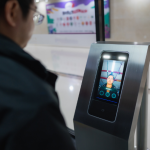
Despite the benefits, the widespread use of monitoring technology raises questions about privacy and individual autonomy. Personal data, ranging from financial information to medical history, can be accessed and analyzed on a massive scale. Striking a balance between technological efficiency and citizens’ rights is essential to maintain trust and ensure ethical governance. The challenge lies in leveraging technology to enhance daily life without compromising personal freedoms.

Urban areas are increasingly functioning as testbeds for innovation, experimenting with drones, automated vehicles, and intelligent infrastructure. These experiments reveal both the potential and limitations of new technology, helping planners understand how systems can scale effectively. As cities expand these initiatives, they provide valuable lessons for other regions considering similar approaches, demonstrating the importance of adaptability and strategic implementation in urban management.

In conclusion, the integration of advanced technology into city life offers transformative opportunities and complex challenges. Improved efficiency, convenience, and innovation are accompanied by concerns about privacy and social equity. Future cities will depend on careful management of digital tools, autonomous systems, and data collection practices to create urban spaces that are not only technologically advanced but also equitable, sustainable, and respectful of citizens’ rights. The evolution of these smart cities provides a glimpse into the possibilities and responsibilities of urban life in the digital age.

Author: Halabeth Gallavan

Share This Article
Facebook Email Copy Link Print
Previous Article The Rise of Autonomous AI Assistants and Their Impact on Daily Life
Next Article Oluwatosin Tolulope Ajidahun highlights how prolonged heat exposure can significantly reduce sperm quality and fertility. Exposure to Excessive Heat and Male Fertility: Impacts on Sperm Production

News

Elon Musk Faces Backlash Over Grok AI After Antisemitic Responses Go Public
Technology
Eloizio Gomes Afonso Duraes
Free Transportation for Children: The Change Every Family Desires!
News
Facial Recognition Technology at Airports: Security or Privacy Invasion?
News
European Digital Autonomy Sparks Debate Over Business Readiness and Innovation
Technology
Daily Pulse USA

Diverse voices, one pulse. Daily Pulse USA offers a comprehensive view of the American landscape, featuring stories from a variety of perspectives and communities.

Tablet com marcas de verificação ao lado de cédulas de dólar e um cartão de crédito.
NCUA advances new deregulation package for U.S. credit unions
October 16, 2026
Rolando Bonaccorsi
Generative AI Adoption Stalls at the Operational Level, Not the Model
October 16, 2026
Daily pulse USA - [email protected]
Welcome Back!

Sign in to your account

Username or Email Address
Password

Lost your password?