

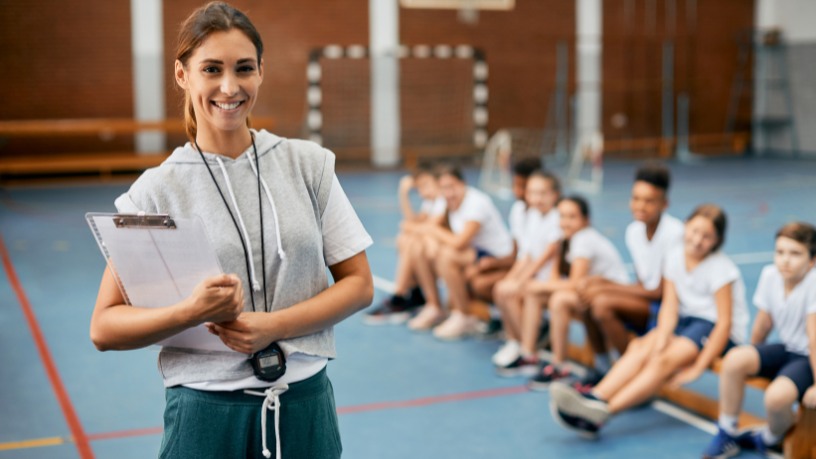
As explained by education-specialist entrepreneur Sergio Bento de Araujo, socio-emotional school sports have gained relevance in educational debates due to their ability to contribute to the holistic development of students. Beyond promoting physical activity, sports in the school environment directly support the development of skills such as self-control, empathy, cooperation, resilience, and responsibility. These competencies are essential for life in society and for the learning process throughout the entire school journey.
Sports teach far more than the rules of the game. Follow along and understand how sports practice strengthens essential socio-emotional skills for student development.
How do socio-emotional school sports contribute to students’ emotional development?
Socio-emotional school sports contribute to emotional development by exposing students to situations that require self-regulation, respect, and the ability to cope with frustration. In games and competitions, students experience wins, losses, mistakes, and successes, learning to recognize and manage emotions in a gradual and guided manner.
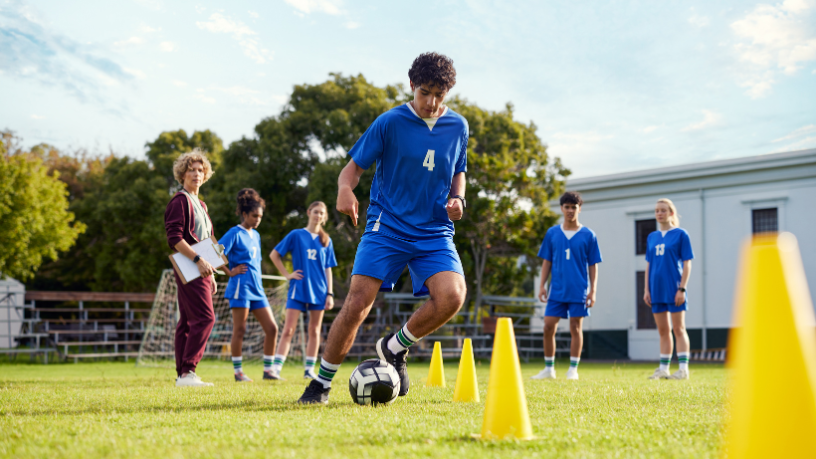
According to Sergio Bento de Araujo, these experiences foster the development of emotional resilience. By facing sporting challenges, students learn that mistakes are part of the process and that continuous effort is necessary to achieve results. This learning transfers to other areas of school life, such as studying, classroom interaction, and relationships with peers and teachers.
Which socio-emotional skills are developed through school sports?
School sports promote the development of skills such as cooperation, discipline, and a sense of responsibility. By participating in sports activities, students understand that their actions impact collective performance, which encourages commitment to the group and adherence to previously established rules.
Another skill widely developed, according to education-specialist entrepreneur Sergio Bento de Araujo, is communication. During games and training sessions, students need to dialogue, negotiate strategies, and express feelings clearly. This constant practice improves listening and expression skills—competencies that are essential for academic and social life.
How can schools integrate sports into a socio-emotional pedagogical project?
For sports to fulfill their formative role, it is essential that they be integrated into the school’s pedagogical project. This means defining clear objectives related to socio-emotional development, not merely physical or competitive performance. Sports must be understood as part of the educational process.
The role of the teacher or sports instructor is central in this context. It is their responsibility to mediate conflicts, value ethical attitudes, and encourage reflection on behaviors observed during activities. In this way, sports become a space for conscious and guided learning.
In summary, as highlighted by Sergio Bento de Araujo, school sports are a powerful tool for the holistic development of students when used intentionally and pedagogically. By creating real situations of interaction, challenge, and cooperation, they contribute significantly to the development of essential socio-emotional skills.
Author: Halabeth Gallavan