

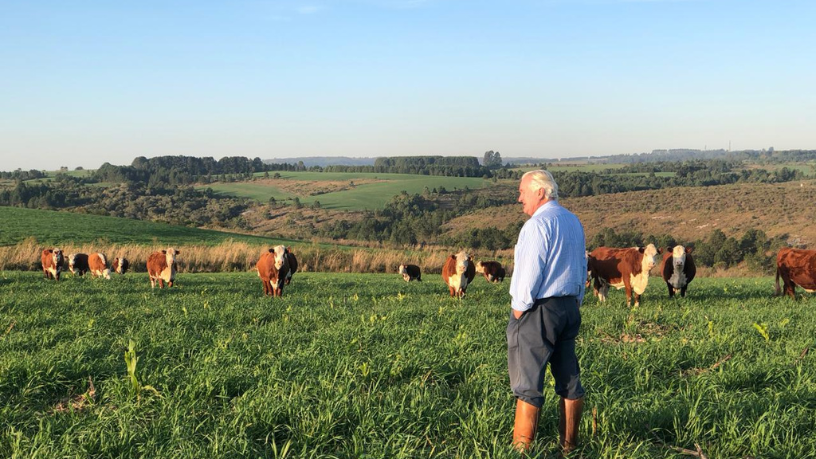
According to Aldo Vendramin, the role of agribusiness in the Brazilian economy and the global market is decisive for the country’s development and for the worldwide supply of food, energy, and raw materials. This article presents a clear overview of the importance of agribusiness to Brazil’s economy, its relevance in global trade, the factors that sustain its growth, the challenges it faces, and the sector’s future outlook.
What characterizes Brazilian agribusiness?
Brazilian agribusiness is made up of a broad production chain that ranges from input manufacturing to processing, logistics, and the marketing of agricultural and livestock products. This integrated structure enables economies of scale, productive efficiency, and international competitiveness. In addition, Brazil stands out for its diversity of crops, favorable climate conditions, and technological advances applied to the countryside. These factors consolidate agribusiness as one of the strongest pillars of the national economy.
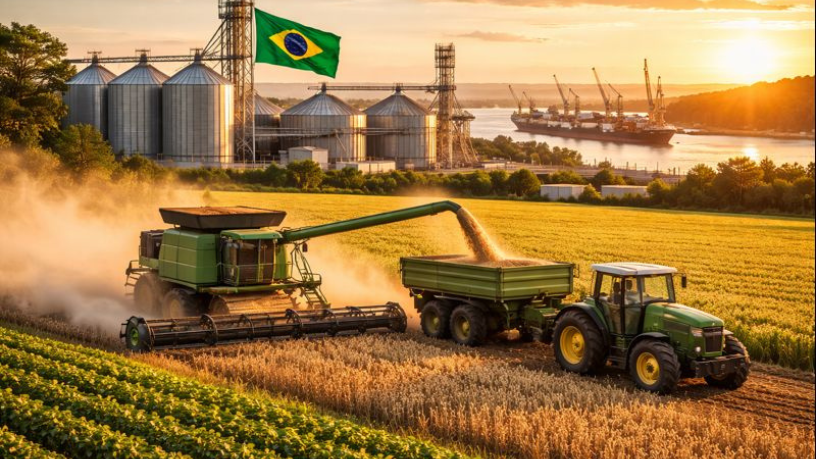
Agribusiness plays a central role in generating jobs, income, and foreign exchange for Brazil. The sector contributes significantly to Gross Domestic Product and strongly influences other segments of the economy, such as industry, transportation, and services. This economic relevance is frequently highlighted by industry leaders, such as Aldo Vendramin, who recognize agribusiness as a driver of national growth.
How does Brazilian agribusiness position itself in the global market?
In the global market, Brazilian agribusiness holds a prominent position as a reliable supplier of food and commodities. Products such as soybeans, corn, beef, coffee, and sugar are among the most exported, serving markets across different continents. Brazil’s international competitiveness results from high productivity, the ability to adapt to market requirements, and continuous investment in technology. This positioning strengthens the country’s image as a key player in global food supply.
Aldo Vendramin explains that the competitiveness of Brazilian agribusiness is supported by several factors, including the increasing use of technology, the professionalization of rural management, and the integration between research, production, and markets. The adoption of modern production practices increases efficiency and reduces costs, while data analysis improves planning and decision-making.
How does agribusiness contribute to global food security?
Brazilian agribusiness plays an important role in global food security by supplying large volumes of food to importing countries. In a context of population growth and climate change, Brazil’s productive capacity becomes even more important. A stable food supply helps reduce the risks of shortages and volatility in international markets.
According to Aldo Vendramin, sustainability has become a central issue in agribusiness. The adoption of responsible practices—such as the rational use of natural resources and the reduction of environmental impacts—is increasingly demanded by international markets and consumers. Balancing productivity with environmental preservation is an ongoing challenge, but also an opportunity for differentiation.
@aldovendramin Agricultura de precisão: Aldo Vendramin explica como a tecnologia está mudando o campo A agricultura de precisão está revolucionando o agronegócio, trazendo mais eficiência, produtividade e sustentabilidade para o campo. Aldo Vendramin analisa como tecnologias avançadas, como sensores, drones e big data, otimizando o manejo agrícola. Descubra como essa inovação está moldando o futuro do setor com Aldo Vendramin! #AldoVendramin #QuemÉAldoVendramin #OQueAconteceuComAldoVendramin #EmpresárioAldoVendramin #DonoDaConsilux #ConsiluxTecnologia
What challenges does Brazilian agribusiness still face?
Despite its advances, Brazilian agribusiness faces significant challenges, including logistics infrastructure, production costs, access to credit, and volatility in international prices. In addition, regulatory issues and environmental requirements require constant adaptation. Overcoming these challenges demands strategic planning, investment, and effective public policies.
In conclusion, the outlook for Brazilian agribusiness is positive, especially due to the growing demand for food, biofuels, and sustainable products. Business leader Aldo Vendramin emphasizes that the incorporation of new technologies and the expansion of markets are likely to further strengthen the sector. The future points to a more technological, integrated agribusiness aligned with global demands, keeping Brazil as a world reference in agricultural production.
Author: Halabeth Gallavan