

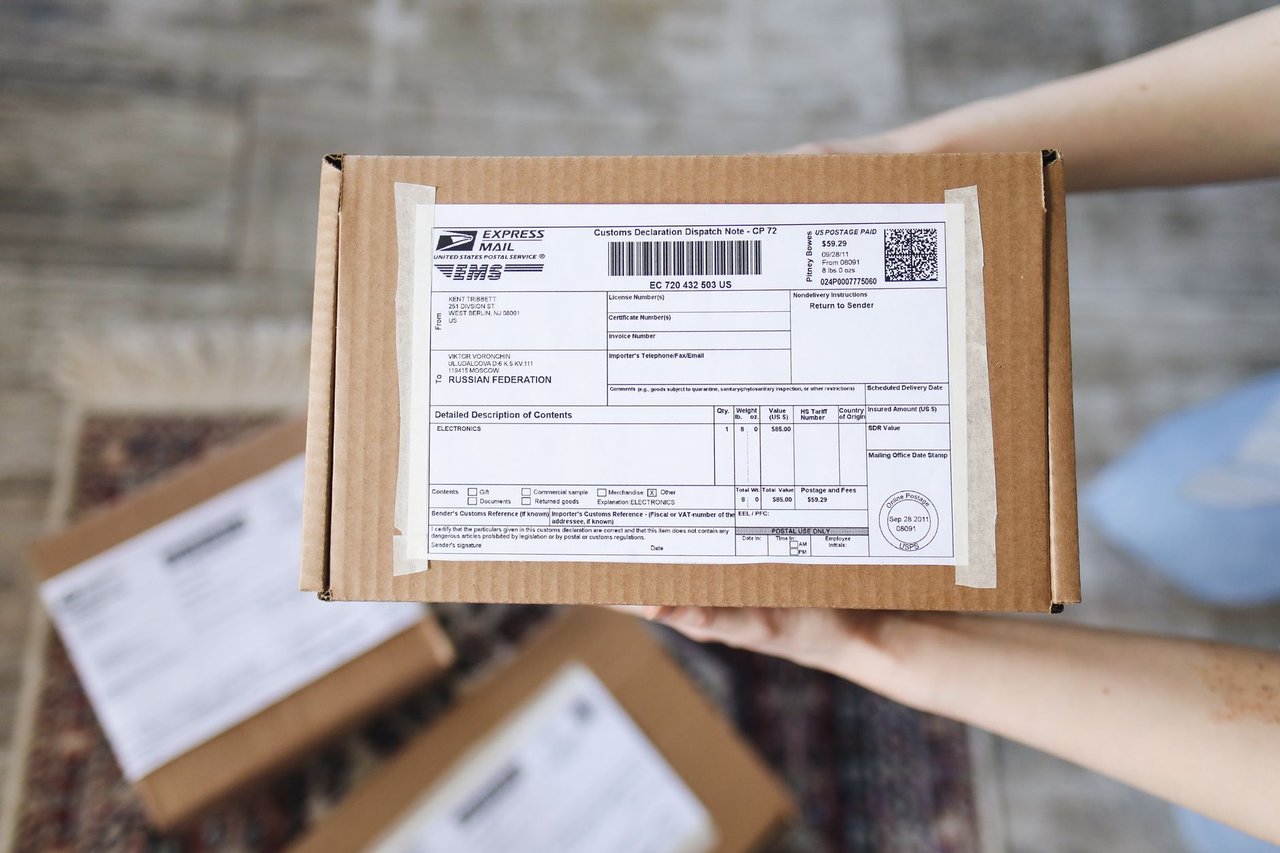
The United States is expanding the tools available to identify imports suspected of violating intellectual property rights. President Donald Trump signed H.R. 4930 into law on November 23, 2026, authorizing U.S. Customs and Border Protection (CBP) to share information about potentially irregular shipments with rights holders, e-commerce platforms, carriers and other participants in the supply chain.
The measure places the agency at the center of a broader cooperation model involving government authorities and private companies. The goal is to make it easier to identify counterfeit products and goods suspected of infringing trademarks, patents and other rights protected under U.S. law. The announcement was included in a White House statement announcing the signing of H.R. 4930 and other congressional bills.
What changes for Customs and Border Protection
Under the new law, information connected to suspicious cargo can be shared beyond the government agency responsible for inspecting goods at the border. Rights holders may use the data to help determine whether products entering the country are linked to unauthorized use of a brand, patent or another protected asset.
Marketplaces and carriers are also included in the network described by the measure. For online platforms, access to information about potentially infringing shipments may support reviews of listings and sellers connected to international deliveries. Transport companies, meanwhile, may receive information relevant to cargo handling and the identification of shipments under suspicion.
The measure therefore connects border enforcement with the digital commerce infrastructure used by American consumers. Instead of treating a suspected violation only as a customs matter, the new framework allows information to circulate among entities that may have a direct role in listing, selling, transporting or protecting the goods involved.
Impact on online marketplaces and international sellers
The change is especially relevant to platforms that connect foreign sellers with consumers in the United States. These companies may face greater pressure to examine product information, respond to notices involving protected rights and cooperate with government agencies or rights holders when a shipment is considered suspicious.
For businesses that own trademarks, patents or other intellectual property, broader access to import information can provide an additional channel for identifying products that may damage their brands or compete through unauthorized merchandise. The measure also brings private rights holders closer to the border inspection process, although the information must remain connected to the enforcement purpose established by the law.
International sellers may encounter closer scrutiny when their products enter the U.S. market. That does not mean every foreign seller or every disputed product is illegal, but it does place greater importance on the accuracy of product descriptions, documentation and the legitimacy of the rights associated with goods offered to American buyers.
Consumer protection and data concerns
Consumers could benefit from stronger efforts to prevent counterfeit goods from reaching the U.S. market. Products that misuse a brand or imitate protected merchandise can create uncertainty about origin, quality and authorization. Greater cooperation between CBP, platforms, carriers and rights holders is intended to make detection more coordinated.
At the same time, the sharing of commercial information raises questions about safeguards. Cargo records may involve sellers, suppliers, logistics providers and transactions conducted through digital platforms. Any enforcement system must distinguish between credible indications of infringement and disputes that require further review, particularly when a product is blocked or removed from a marketplace.
The White House announcement does not detail the operational procedures, data safeguards or review standards that will govern implementation. Those elements will be important for defining how the new authority affects small sellers, platforms and companies that hold intellectual property rights.
Part of a wider U.S. trade enforcement agenda
H.R. 4930 was signed alongside H.R. 1550 and H.R. 8552, according to the White House. Among the measures announced that day, the intellectual property provision has a direct connection to digital commerce, international shipping and the relationship between federal enforcement and private technology platforms.
The Associated Press has also covered the expansion of U.S. tariff and trade measures, providing broader context for the government’s focus on imports and commercial enforcement. In the case of H.R. 4930, however, the central issue is not a new tariff. It is the ability to share information about shipments suspected of involving violations of intellectual property rights.
The practical effect of the law will depend on how CBP, rights holders, marketplaces and carriers put the authority into practice. For American consumers, companies and online sellers, the measure signals a closer connection between border controls and the systems that govern international e-commerce.