

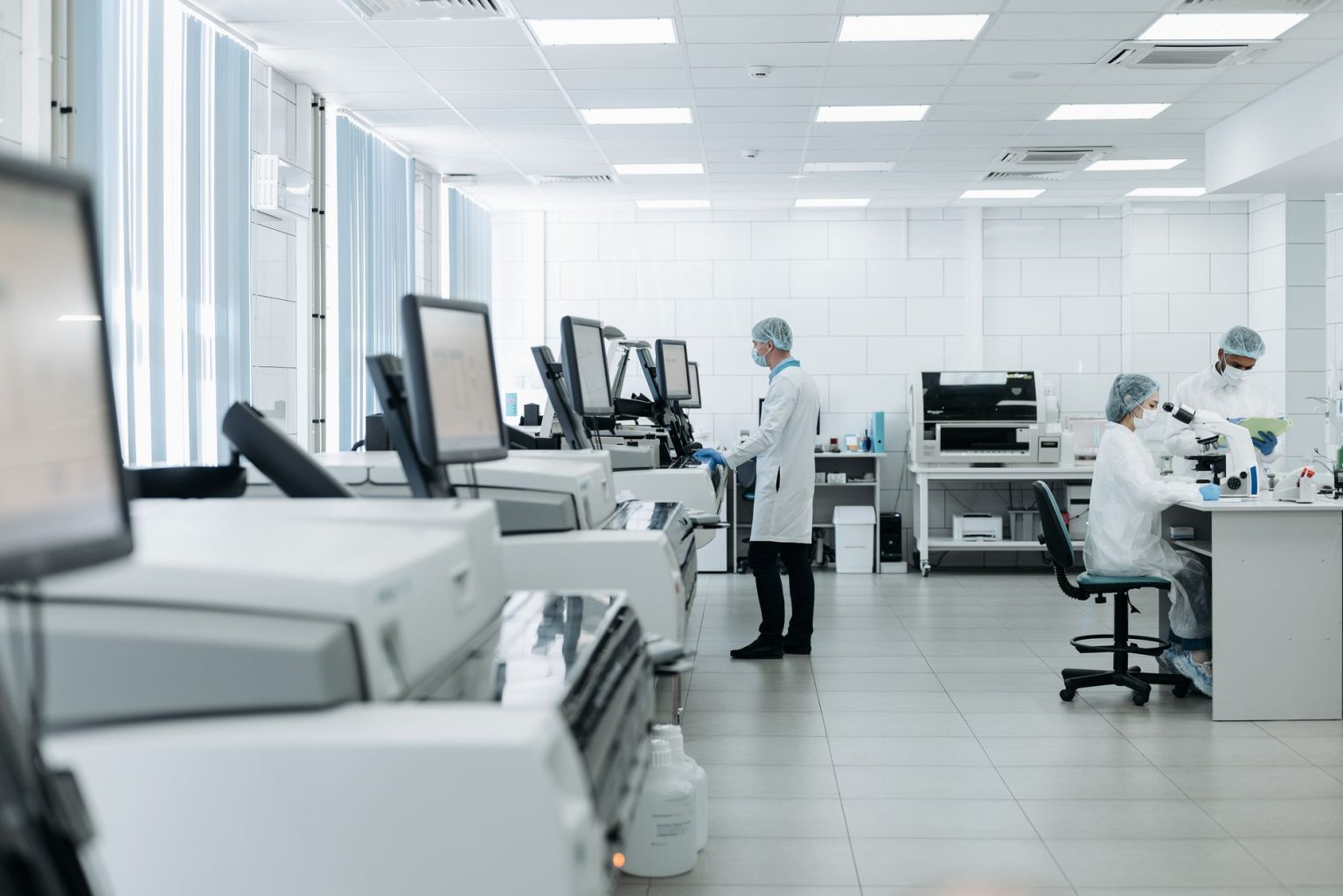
The National Institutes of Health announced on September 21, 2026, more than $88 million in funding for biomedical research infrastructure based on human biology. The initiative supports ten projects across nine U.S. states and is designed to expand the use of cells, tissues and other human-relevant models in medical research.
The package includes organoids, organ-on-a-chip systems, artificial intelligence, robotics and computational modeling. According to the National Institutes of Health, the projects will cover research areas including cancer, chronic diseases, environmental health, rare childhood diseases, obesity and metabolic disorders.
The announcement places the United States within an ongoing transition in preclinical science. Researchers are developing methods that can reproduce aspects of human biology in laboratory settings, potentially creating more relevant tools for studying diseases, evaluating treatments and identifying safety risks.
Projects will combine organoids, robotics and artificial intelligence
One of the central initiatives is the Bio Genesis Autonomous Human Biology Laboratory, planned for the NIH Clinical Center. The facility is expected to combine standardized human organoid models with robotics, artificial intelligence and advanced data systems.
Organoids are laboratory-grown structures that reproduce some characteristics of human organs. They do not replicate the full complexity of a person, but they can provide researchers with controlled biological systems for studying disease processes and potential responses to treatments.
The NIH said the planned laboratory will be designed to conduct reproducible experiments in human biological systems. Data from each experiment may also help guide subsequent stages of the research process, creating a continuous cycle in which results inform new testing and analysis.
Other funded projects will broaden the infrastructure available to researchers in different parts of the country. The distribution across nine states is intended to support institutions beyond the largest established research centers and expand access to technologies used in human biology-based biomedical research.
Quantum technologies will be applied to drug safety
The initiative also includes a challenge offering more than $7 million in prizes for the development of quantum technologies. The goal is to apply these tools to alternative methods for assessing toxicity and the safety of medicines.
Quantum sensors and related technologies may help scientists collect and analyze biological information with greater precision. However, the announcement presents the challenge as an effort to develop and evaluate new approaches, rather than as evidence that a complete replacement for existing safety testing is already available.
Artificial intelligence and computational models are expected to play a complementary role. These systems can help organize large amounts of experimental data, identify patterns and support the design of future studies. Their usefulness will depend on the quality of the underlying biological models and on scientific validation of the results.
U.S. agencies seek to reduce animal testing gradually
The Department of Health and Human Services described the measures as part of a broader strategy to reduce unnecessary animal testing and modernize drug development. In a statement, the U.S. Department of Health and Human Services said its agencies had launched more than 20 initiatives involving organoids, tissue models, artificial intelligence and computational modeling.
The policy shift does not mean that animal research will end immediately. The NIH said animal models remain important in certain areas, while emphasizing that the agency aims to reduce their use when scientifically valid alternatives are available. That distinction is relevant because new laboratory methods must demonstrate reliability before they can support decisions about medicines and other medical products.
HHS also reported that the Food and Drug Administration announced a regulatory update to remove references to animal testing and implement provisions established by the FDA Modernization Act. The change connects research funding with the regulatory process used to evaluate new medical products in the United States.
NIH considers greater transparency about animal use
Alongside the funding announcements, the NIH opened a request for information about the feasibility of creating a public annual report on vertebrate animals used in research financed by the agency. The consultation is still gathering input and does not, by itself, establish a definitive national reporting system.
Greater transparency could give the public, researchers and policymakers more information about the scale and nature of federally supported animal research. Any future reporting framework would need to define the data collected, the institutions covered and how the information would be presented.
The new investments therefore represent a step in a broader scientific and regulatory transition, not an immediate replacement of every animal-based method. By supporting human organoids, organ-on-a-chip systems, artificial intelligence, robotics and computational tools, the NIH is seeking to expand the range of validated approaches available to biomedical researchers in the United States.
Sources: National Institutes of Health and U.S. Department of Health and Human Services.