
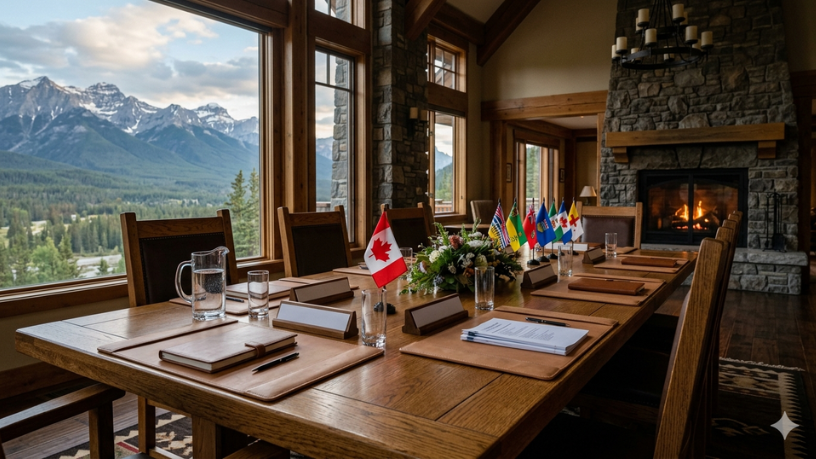
The recent meeting of Western Canadian premiers once again placed strategic issues at the center of North American political discussions. The event, concluded on May 26, 2026, brought together leaders from some of Canada’s strongest economic regions to address challenges related to energy, infrastructure, trade, security, and economic growth. More than a formal political gathering, the conference highlighted how regional governments are increasingly seeking a stronger role amid global economic changes and domestic pressures tied to competitiveness and development.
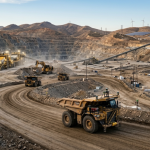
The discussion gained relevance because Western Canada concentrates industries that are essential to the national economy, especially oil, natural gas, mining, agriculture, and logistics. In a scenario marked by persistent inflation, international trade disputes, and rapid changes in the energy market, the premiers expressed concern about Canada’s ability to maintain investment levels and create jobs without intensifying regulatory conflicts.
One of the most sensitive topics during the meeting was energy policy. Western provinces remain heavily dependent on natural resource extraction and continue to advocate for greater autonomy in defining local economic strategies. This position has strengthened in recent years following repeated disagreements between provincial governments and the federal administration over environmental targets and carbon emission regulations.
Investment in energy infrastructure also emerged as a central priority. Regional leaders argued that Canada must expand its export capacity to take advantage of growing international demand for oil, gas, and strategic minerals. At the same time, there is increasing pressure to accelerate the transition toward cleaner energy sources, creating a delicate balance between environmental responsibility and economic sustainability.
The meeting also reinforced concerns about transportation and trade logistics. Western Canada depends heavily on efficient railways, highways, and ports to move agricultural products and natural resources to international markets. Any disruption in these systems directly affects exports, local employment, and the competitiveness of Canadian industries. As a result, provincial leaders emphasized the importance of long term infrastructure planning capable of supporting economic expansion over the next decade.
Another issue that received attention was public security, particularly regarding border protection and the impact of organized crime on regional economies. Provincial governments have increasingly demanded stronger cooperation with federal authorities to address illegal trade, drug trafficking, and security risks affecting businesses and communities. These concerns have become more visible as economic uncertainty places additional pressure on public institutions.
Beyond the economic dimension, the conference reflected a broader political movement underway in Canada. Western provinces have sought greater influence in national decision making, arguing that federal policies often fail to reflect the realities of resource dependent economies. This perception has fueled debates about regional representation and the distribution of political power within the country.
The tone adopted by the premiers suggests that regional cooperation is becoming more strategic than symbolic. Rather than isolated provincial agendas, leaders are attempting to present a united front on key issues involving taxation, investment, industrial policy, and trade competitiveness. This collective positioning increases political pressure on Ottawa and strengthens the bargaining power of Western Canada in national debates.
The international context also contributed to the importance of the meeting. Global demand for critical minerals, energy security concerns in Europe, and supply chain instability continue to reshape economic priorities worldwide. Canada possesses vast natural resources that are increasingly viewed as strategic assets in the global market. Because of this, Western provinces are trying to position themselves as major players in future energy and industrial transitions.
At the same time, environmental concerns remain impossible to ignore. Climate related disasters, including wildfires and extreme weather events, have intensified public debate about sustainability and long term economic resilience. This creates a complex political environment in which governments must balance environmental commitments with the need to preserve employment and industrial productivity.
The discussions held during the Western premiers’ meeting indicate that Canada is entering a period of stronger regional positioning and more intense negotiations between provincial and federal authorities. Economic growth, energy independence, and infrastructure modernization are likely to remain dominant themes in Canadian politics over the coming years.
For international observers, the meeting serves as an important indicator of how resource rich regions are adapting to a rapidly changing global economy. Western Canada is attempting to strengthen its influence while navigating the tensions between environmental expectations, economic competitiveness, and political autonomy. The outcome of these debates may shape not only Canada’s domestic policies, but also its role in global energy and trade markets in the years ahead.
Author: Diego Velázquez