

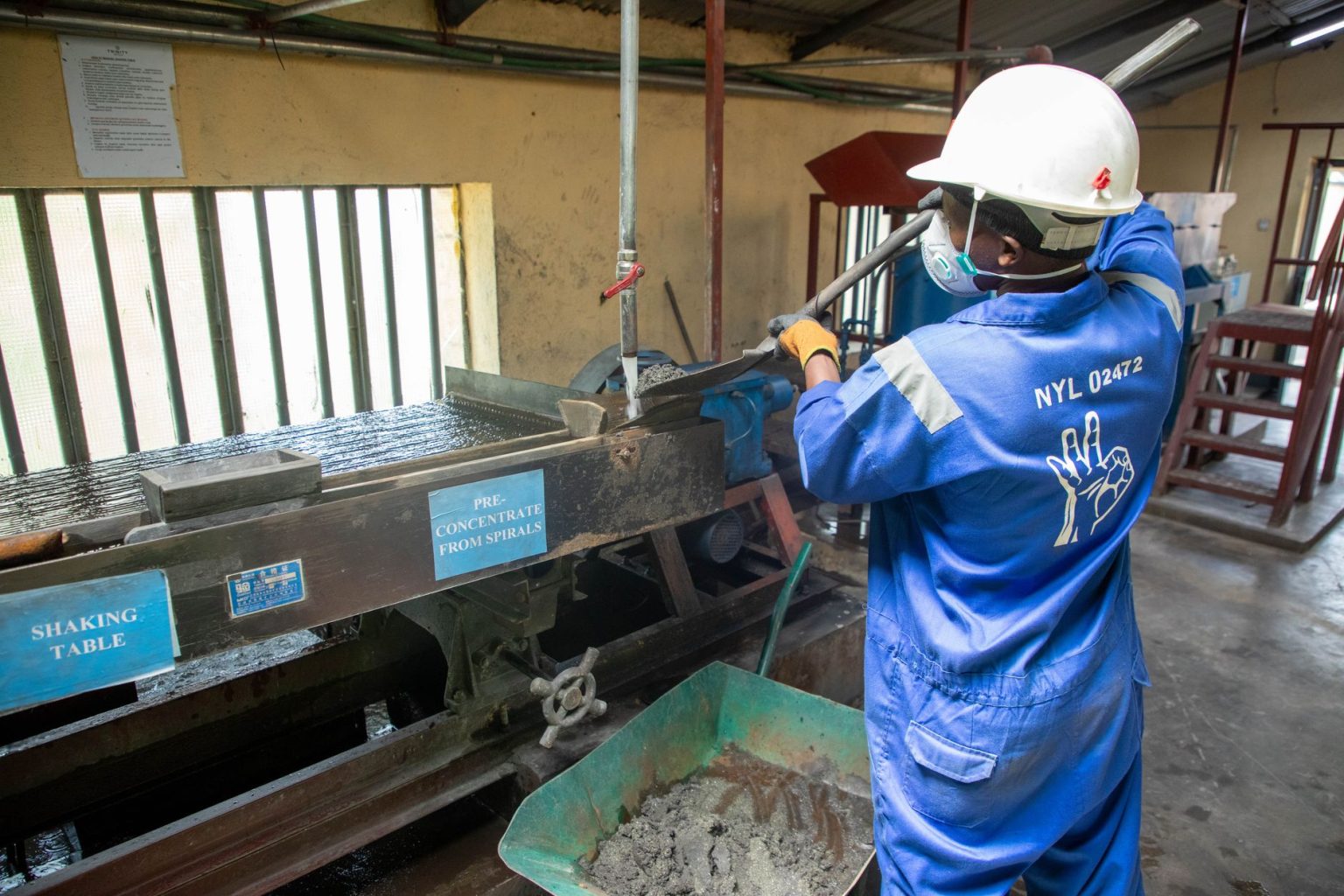
The United States is supporting an initial study for a proposed copper and cobalt refinery in the Democratic Republic of the Congo, linking American industrial interests to one of Africa’s most important mineral-producing regions. The United States Trade and Development Agency, or USTDA, announced on September 23, 2026, an agreement with Congolese company Buenassa Resources S.A. to finance a pre-feasibility study for the project.
The planned facility would be located in Lualaba province, an area associated with the Democratic Republic of the Congo’s copper and cobalt production. Before construction can move forward, the study will assess whether the refinery can be supplied with adequate raw materials and operate on a sustainable economic and financial basis over the long term.
What the USTDA-funded study will examine
According to the United States Trade and Development Agency, the pre-feasibility work is expected to identify potential sources of feedstock, develop the technical design for the facility and establish economic and financial parameters for the project.
That stage is important because it precedes a final investment decision. A pre-feasibility study can help determine the scale, technical requirements and projected costs of an industrial project, while also clarifying whether the proposed operation can be viable over time. In this case, the study is focused on processing copper and cobalt rather than only extracting ore.
The proposed refinery would produce materials for industries that include energy, construction, artificial intelligence and defense. The project therefore reaches beyond the mining sector, with potential connections to manufacturing, infrastructure and technology supply chains in the United States and other markets.
Why copper and cobalt are strategic minerals
Copper is widely used in electrical networks, industrial equipment and digital infrastructure. Its role in power transmission and connected systems makes the metal important to the expansion and maintenance of modern economies. Cobalt, meanwhile, is used in batteries and other technology applications, giving it a role in industries that depend on advanced energy storage and specialized materials.
The Democratic Republic of the Congo is strategically relevant because it has large cobalt reserves and is Africa’s largest copper producer. Processing more of these resources within the region could allow part of the value chain to take place closer to the source of the minerals, rather than relying exclusively on the export of extracted material.
For Washington, the initiative comes as governments and companies pay closer attention to the security of global critical-mineral supply chains. Access to dependable supplies is increasingly connected to industrial competitiveness, energy systems, digital infrastructure and national defense. A refinery project in the DRC could therefore become part of a broader effort to diversify sources and expand processing capacity.
Potential role for U.S. companies
The agreement also creates a possible opening for American businesses. The USTDA states that projects supported by the agency are carried out by U.S. companies, which can provide equipment, technical services and specialized expertise during construction and operation.
This model gives the United States a commercial interest in the project beyond the financing of the study itself. If the refinery advances, American suppliers could compete to provide industrial systems, engineering support and other services required for a complex processing facility. The exact companies, contracts and equipment involved have not been identified in the information released about the agreement.
The arrangement illustrates how development and trade policy can overlap in critical-mineral projects. By supporting early-stage planning, the USTDA can help establish a path for U.S. firms to participate in infrastructure and processing projects outside the country while strengthening relationships with resource-producing nations.
What happens next
The immediate next step is the completion of the pre-feasibility study. Its findings are expected to provide a clearer assessment of raw-material availability, technical design and the financial conditions required for the proposed refinery in Lualaba.
The announcement does not confirm that the facility will be built or provide a construction schedule, production capacity or final investment amount. Those details would depend on the conclusions of the study and on subsequent decisions by the project’s sponsors and potential investors.
Still, the agreement places copper and cobalt processing at the center of a U.S.-supported initiative in the Democratic Republic of the Congo. It also highlights the growing importance of adding value to mineral resources and connecting extraction, refining and global industrial demand within more resilient supply chains.