

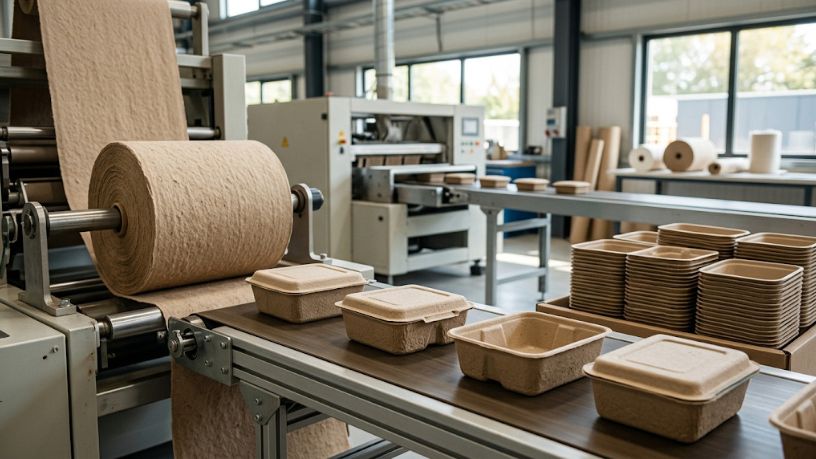
Eco-design for packaging is based on a simple premise: what is eliminated during product design will never need to be managed after disposal. As an environmental engineer, Felipe Schroeder dos Anjos points out that many of the environmental problems associated with packaging consumption begin long before products reach the trash bin. They originate during the design stage, when engineers and designers choose materials, thicknesses, and formats without considering the product’s full life cycle.
With that in mind, the discussion about sustainable packaging cannot be limited to whether a material is recyclable. After all, even a recyclable material represents wasted resources, transportation energy, and processing costs if it is used excessively. With this perspective, let’s examine where these decisions are actually made.
What Is Eco-Design and Why Does It Come Before Recycling?
According to Felipe Schroeder dos Anjos, eco-design is a set of principles that guides product development by considering environmental impacts from raw material selection through final disposal. When applied to packaging, this concept requires that every layer, every closure, and every inch of plastic or cardboard serve a proven functional purpose rather than simply an aesthetic or promotional one.
This approach shifts the starting point of the discussion. Instead of asking how to recycle a finished product more effectively, eco-design asks whether that amount of material was ever necessary in the first place. This change in perspective moves environmental responsibility to the design phase, where improvements are still relatively inexpensive and easy to implement.
How Does Product Design Determine Its Environmental Fate Before Disposal?
Oversized packaging often results from commercial strategies that prioritize perceived value over material efficiency. A box that is significantly larger than the product inside, for example, may create an impression of quality or durability for consumers, but it also leads to inefficient transportation and more waste for every unit sold.

These decisions are made long before recycling even becomes part of the conversation. Felipe Schroeder dos Anjos emphasizes that once a package’s shape, weight, and material composition have been finalized, much of its environmental impact has already been determined. As a result, attempting to correct the issue afterward usually means managing a problem that could have been prevented at its source.
Reducing Material: The First Step Toward True Circularity
As Felipe Schroeder dos Anjos explains, circularity begins not with recycling, but with the amount of resources entering the system. Reducing plastic thickness, eliminating unnecessary layers, or replacing complex multi-material structures with single-material solutions decreases the total volume of material that must eventually be processed, regardless of its final destination.
Consequently, using fewer raw materials means lower energy consumption during manufacturing, reduced transportation requirements, and less waste generation. This is why companies that focus on reducing materials at the source often achieve greater environmental benefits than those that rely solely on improving recycling collection systems after consumption. The environmental gains occur before disposal and therefore do not depend on the effectiveness of municipal recycling programs, which can vary significantly from one community to another.
The Limits of Recycling When Design Works Against It
However, even well-developed recycling systems have limitations when they receive packaging made from incompatible materials, explains environmental engineer Felipe Schroeder dos Anjos. A package composed of layers of plastic and aluminum, for instance, may be technically recyclable, but separating those materials often requires expensive technologies that are unavailable in most municipalities.
This mismatch demonstrates that successful recycling depends on decisions made long before recycling is even possible. When product design ignores material compatibility, it shifts a preventable problem onto public waste management systems. During the development phase, by contrast, replacing or simplifying materials is often much easier and more cost-effective.
Rethinking the Beginning of the Supply Chain Changes the Final Outcome
Ultimately, the most meaningful advances in sustainable packaging come not from public awareness campaigns about proper disposal, but from technical decisions made at the design table. Companies that treat eco-design as a core part of product development rather than as an afterthought achieve environmental improvements that no recycling collection system can accomplish on its own. In other words, the starting point of the circular economy is found in product design—not in the trash bin—and that is where the most impactful decisions continue to be made.