

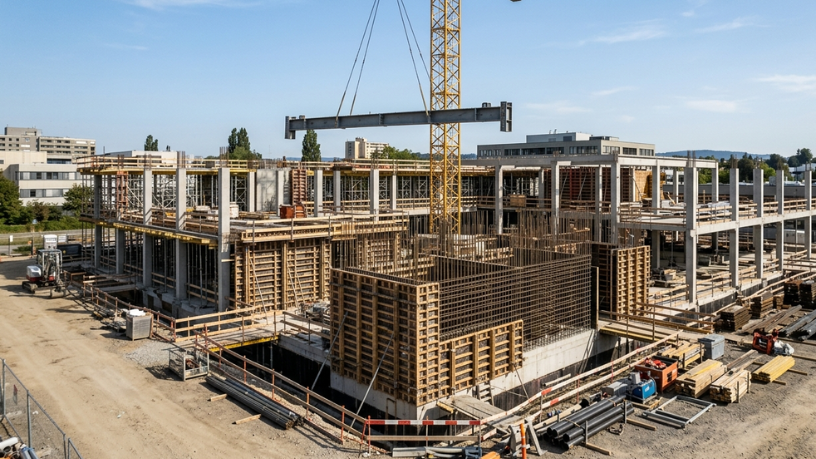
According to Eng. Valderci Malagosini Machado, Technical Director of Blocos e Lajes Itaim and a specialist in construction systems, engineering is a decisive tool for balancing budget, performance, and durability in urban construction projects. Reducing costs does not mean choosing the cheapest materials, but rather making technical decisions capable of preventing waste, rework, and execution failures.
This approach involves planning, the correct selection of construction systems, the intelligent use of prefabrication, and strict control of material losses on the job site. When these factors work together, projects become more predictable, productivity improves, and construction quality is preserved. With this in mind, the following paragraphs explore how engineering can transform costs into real efficiency.
How Does Engineering Influence the Total Cost of a Construction Project?
The cost of a construction project begins to be defined long before materials are purchased. According to Eng. Valderci Malagosini Machado, it originates in the design phase, through the coordination of disciplines, the selection of the structural system, and the organization of the project schedule. For this reason, engineering must be involved from the earliest decisions, preventing improvised solutions that may appear economical at first but lead to higher expenses during execution.
An efficient project depends on the integrated relationship between design, construction, and future maintenance. As Eng. Valderci Malagosini Machado, Technical Director of Blocos e Lajes Itaim, points out, a poorly chosen system may require more labor, generate excessive cutting, increase mortar consumption, and complicate installations. On the other hand, a well-planned solution reduces construction stages, improves control, and minimizes technical risks.
Why Does the Choice of Construction System Matter?
The construction system determines the project’s pace, material consumption, equipment requirements, and level of precision. Structural blocks, concrete blocks, trussed slabs, trussed panels, and prefabricated components can provide significant gains when applied in a manner compatible with the project design. The key benefit lies in standardization and the reduction of improvisation.
Construction quality also improves when components arrive on-site with predictable dimensions and known performance characteristics. This reduces manual adjustments, prevents losses caused by incompatibility, and facilitates execution control, as emphasized by Eng. Valderci Malagosini Machado. In addition, industrialized systems tend to create a more organized construction sequence.
Technical Planning Reduces Waste
Planning involves much more than creating a schedule. Technical planning defines purchasing strategies, storage methods, internal transportation, team sequencing, and the coordination between masonry, structure, and building systems.
As a result, engineering helps prevent delays caused by material shortages, rework resulting from project conflicts, and losses caused by improper storage. The following decisions help keep costs under control without affecting performance:
- Project modularization: Reduces cuts, leftovers, and adaptations during construction.
- Prior coordination: Prevents conflicts between structural, hydraulic, electrical, and enclosure systems.
- Technical material procurement: Considers performance, yield, and application rather than focusing solely on unit price.
- Inventory control: Reduces losses due to breakage, moisture, theft, or improper handling.
- Team sequencing: Improves productivity and reduces idle periods on-site.
These practices demonstrate that the most consistent savings come from organization. When project design and execution work together, each stage becomes more predictable and less vulnerable to costly corrections.
How Does Prefabrication Improve Productivity and Quality?
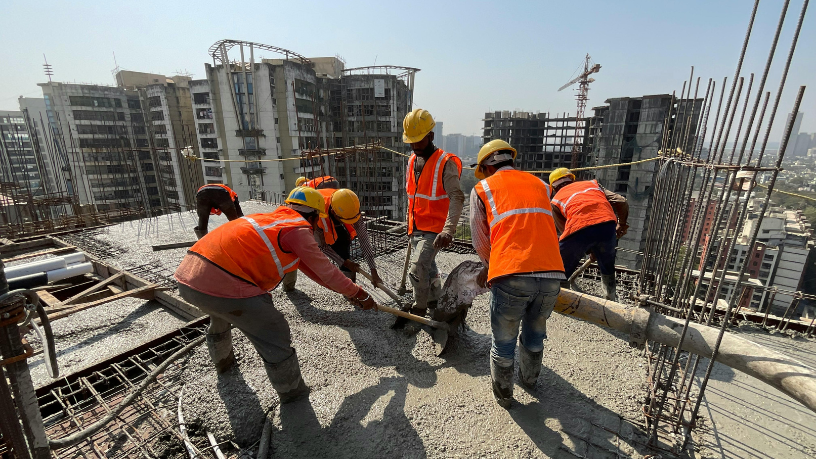
According to Eng. Valderci Malagosini Machado, Technical Director of Blocos e Lajes Itaim, prefabrication transfers part of the production process to more controlled environments. This enables greater standardization, better use of raw materials, and a reduction in the variations commonly found on construction sites.
In urban projects, this approach also helps shorten schedules, organize deliveries, and reduce impacts on surrounding areas. Trussed slabs, trussed panels, and cement-based products manufactured with dimensional control help maintain consistency, performance, and speed. As a result, projects achieve cost savings without sacrificing safety.
Loss Control as a Quality Indicator
Material loss is not merely a financial issue, explains Eng. Valderci Malagosini Machado; it often reveals flaws in project design, storage practices, workforce training, or site management. When excessive breakage, cutting, leftover materials, or rework occur, the project consumes more resources to achieve the same outcome.
Controlling losses requires continuous measurement and analysis of their causes. Simply recording waste at the end of a project is not enough. It is necessary to identify where losses occur, which teams are involved, which materials present the highest loss rates, and which decisions can correct the problem while construction is still underway.
Technical Efficiency as the Path to More Sustainable Construction
In conclusion, reducing costs also strengthens sustainability in engineering. Less waste means lower volumes of construction debris, fewer unnecessary transportation activities, and more efficient use of available resources. In addition, properly specified components increase a building’s durability and reduce maintenance costs over time.
Construction quality depends on consistent decisions, not excessive spending. When planning, appropriate systems, prefabrication, and loss control guide a project, cost savings become the result of technical intelligence rather than simple budget cuts.
Author: Diego Rodríguez Velázquez