

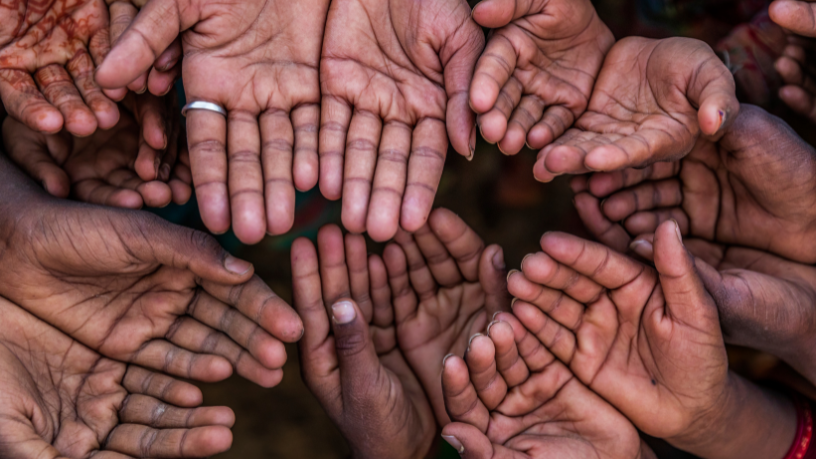
In seemingly stable circumstances, many individuals discover that financial security can vanish unexpectedly. Stories like Ilona Biskup’s, who worked over three decades yet still relied on food banks, highlight the economic vulnerability faced by many in the midst of sudden emergencies. Experiencing reliance on external aid after a lifetime of dedication demonstrates how even minor crises can have profound and lasting effects.
Biskup’s journey illustrates how severe illnesses and high medical expenses can deplete savings accumulated over years. Even owning property and earning an income above the poverty line, she had to access social assistance programs to secure basic nutrition. This situation is not unique, reflecting a reality faced by millions who, due to unforeseen events, become dependent on support networks.
The psychological impact of this transition is profound. Moving from stability to reliance on aid generates feelings of shame and frustration, even when the need is undeniable. Loss of financial autonomy, coupled with chronic health challenges, intensifies emotional struggles, requiring not only material support but also psychological care to navigate new circumstances.
This issue is structural rather than purely personal. Research indicates that insufficient social safety nets and precarious labor conditions increase the likelihood that even diligent workers find themselves in vulnerable situations. Biskup’s story demonstrates that the risk of poverty can affect anyone in the face of unexpected events, exposing systemic weaknesses that demand attention.
Beyond personal challenges, social inequality becomes starkly evident. Minority groups and older adults often have limited financial reserves, which amplifies the effects of unforeseen crises. The lack of adequate emergency funds transforms small setbacks into critical situations, emphasizing the need for public policies that provide greater stability and security for all citizens.
Support institutions play a crucial role in this context. Food banks and assistance programs, such as SNAP in the United States, provide essential aid to maintain dignity and health. The effectiveness and continuity of these programs are vital to ensure that vulnerable populations are not left behind, particularly during economic or administrative crises.
Human resilience, however, remains a fundamental element in overcoming adversity. Individuals like Biskup adapt their routines, habits, and spending strategies to face challenges with dignity and practicality. This adaptability shows that even in difficult circumstances, it is possible to maintain a decent quality of life and emotional balance.
Ultimately, stories like Ilona Biskup’s highlight the importance of viewing poverty not only as an individual problem but as a complex social phenomenon. Recognizing structural factors, understanding the impact of personal crises, and strengthening support networks are essential steps toward building more equitable and resilient societies capable of offering recovery opportunities to those affected by unforeseen events.
Autor: Halabeth Gallavan